In her autobiographical writing, Emily Carr was careful to portray herself in the tradition of the romantic individual by highlighting historical facts about herself that conformed to the modernist image of the artist as a professional and a genius, and downplaying those that did not. Born during a snowstorm, “contrary from the start,” she emphasized her difference from the rest of her family and insinuated that her “fondness for drawing” was not only viewed…
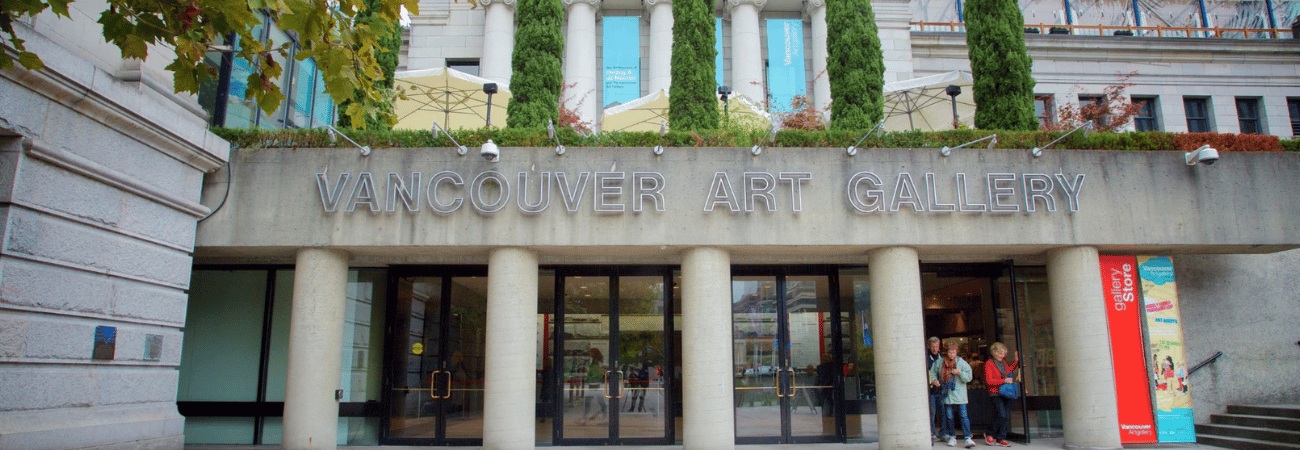
The Vancouver Art Gallery (VAG) and Emily Carr are indelibly linked in the history of Canadian art. Since the gallery’s founding in 1931, Carr has not only occupied a central place in its collection but has also played a foundational role in the gallery’s identity, legacy, and public engagement. Over the decades, the VAG has grown into the principal steward of Carr’s artistic legacy, housing the largest and most comprehensive body of her work…
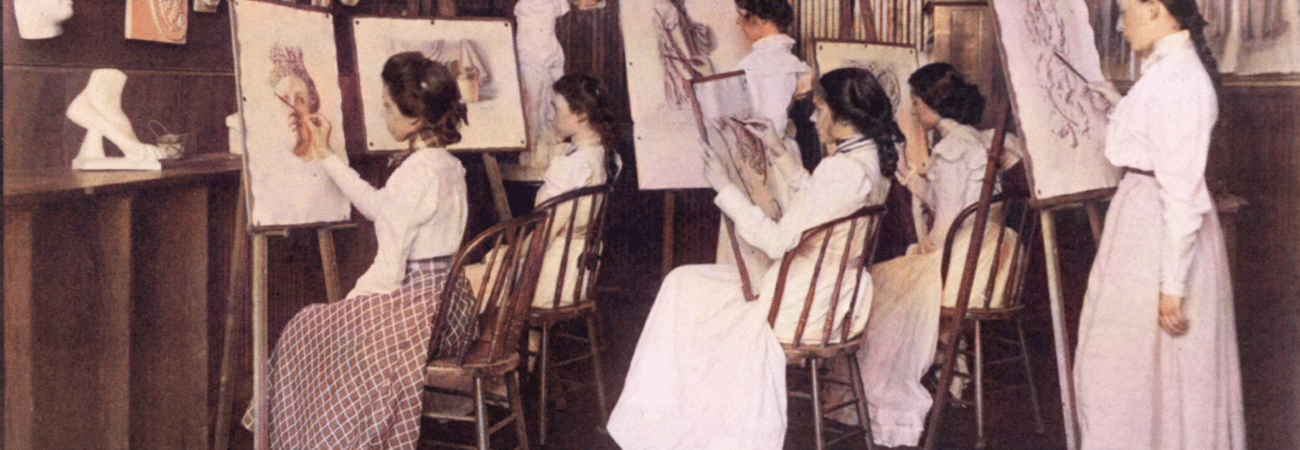
Founded in 1909 in Vancouver while Emily Carr resided there, the British Columbia Society of Fine Arts—now known as the BC Society of Artists—emerged as the province’s first formal organization dedicated to promoting the visual arts. Modeled after eastern Canadian and British art societies, the BCSFA held annual juried exhibitions and played a foundational role in shaping early public appreciation for art in British Columbia. Read more: The Unsung Childhood…