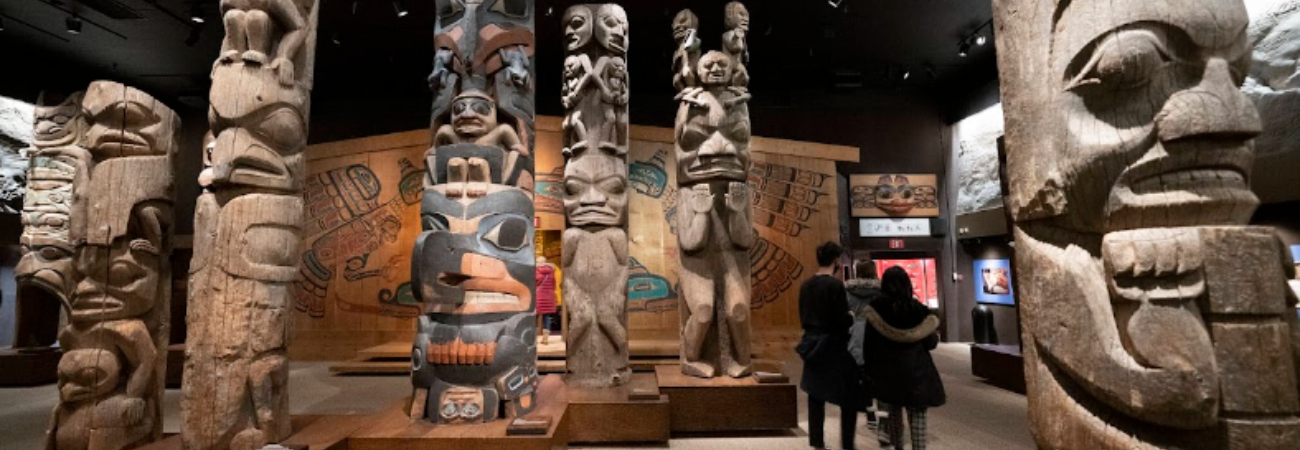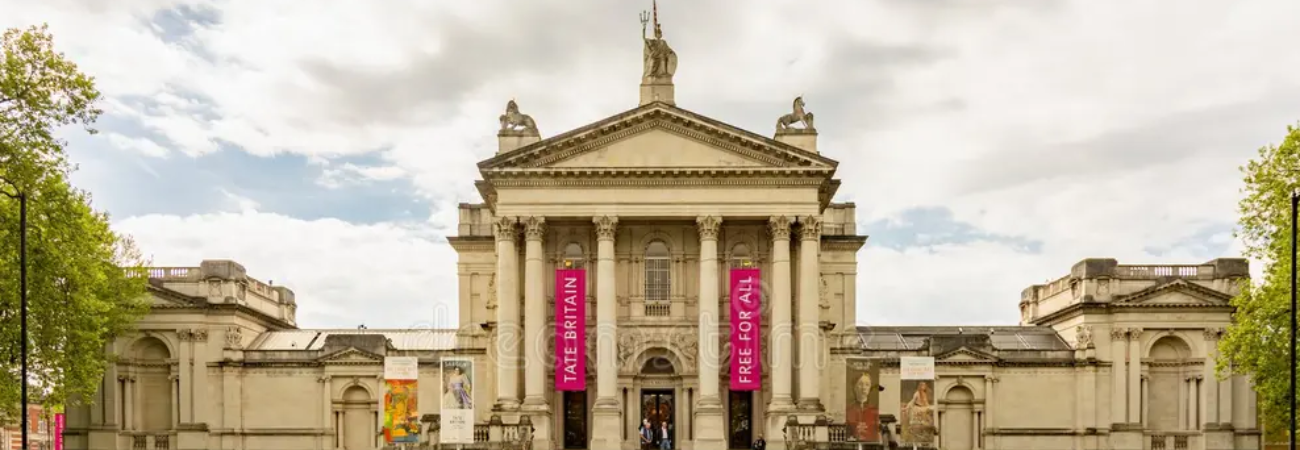
Tate Gallery’s A Century of Canadian Art was one of the most important international exhibitions in the history of Canadian art. Organized by Canada’s National Gallery and opening at London in October 1938, it was the first comprehensive historical survey of Canadian art ever shown overseas. It introduced British audiences to the breadth of Canadian artistic achievement, from early colonial portraiture and religious carving to modern landscape painting by the Group of Seven…

read more

Emily Carr, aged 39, returned for her second trip to Europe in 1910 and spent 16 months working and living in France. By that time, Carr had been painting seriously for about 20 years. She had studied in San Francisco and in England, and she had started travelling to and painting Indigenous communities on Vancouver Island. Read more: From Student to Exhibitor: Emily Carr’s Return to London at the Tate…

read more

The Island Arts and Crafts Society in Victoria, BC, formed in 1909, played a pivotal role in shaping the region’s cultural landscape, particularly with its groundbreaking 1932 exhibition. One of the most memorable aspects of this event was the inclusion of the “Modern Room,” a space dedicated to showcasing for the first time ‘modern art’ in Victoria, a radical departure from the more traditional works that dominated at the time.

read more