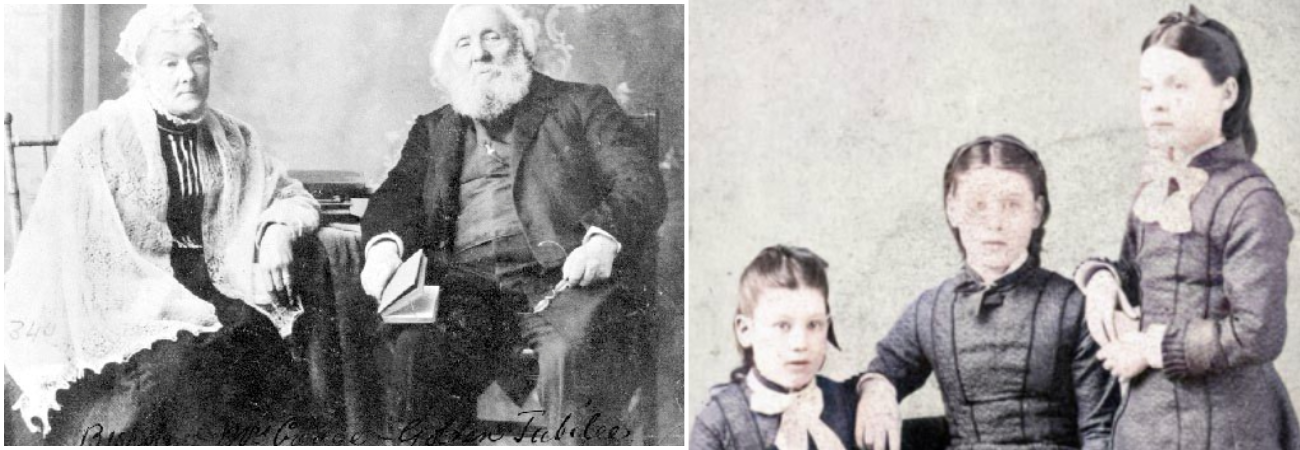
The life of Emily Carr is often told through her artistic journeys into the forests and villages of the Pacific Northwest, yet some of her most formative influences were rooted much closer to home—in the intimate, everyday world of childhood neighbours. Among the most significant of these were Edward Cridge and his wife Mary, whose property they called, Marifield, abutted the Carr family’s property. This proximity fostered not only acquaintance but companionship, weaving…

read more

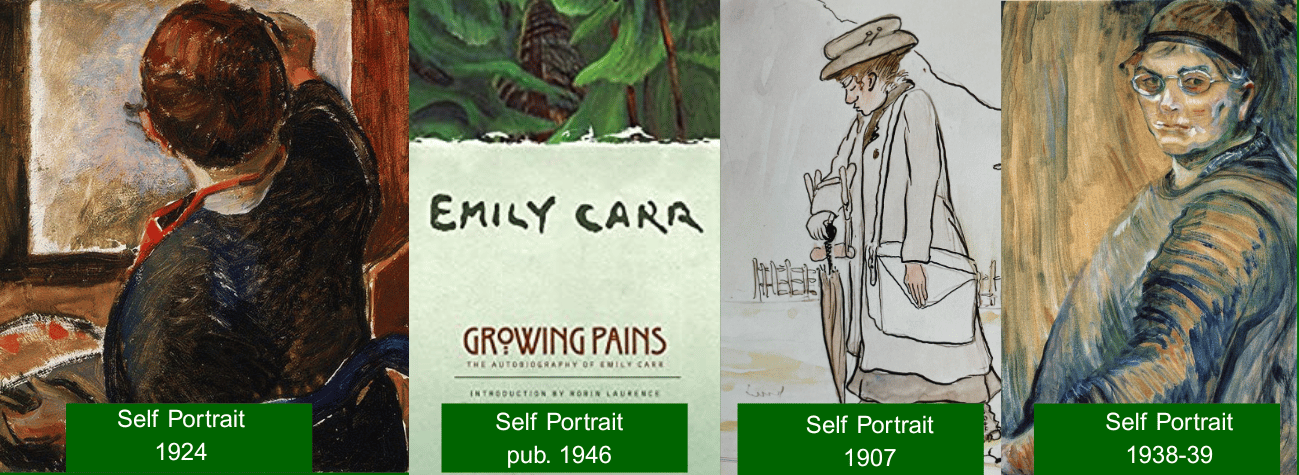
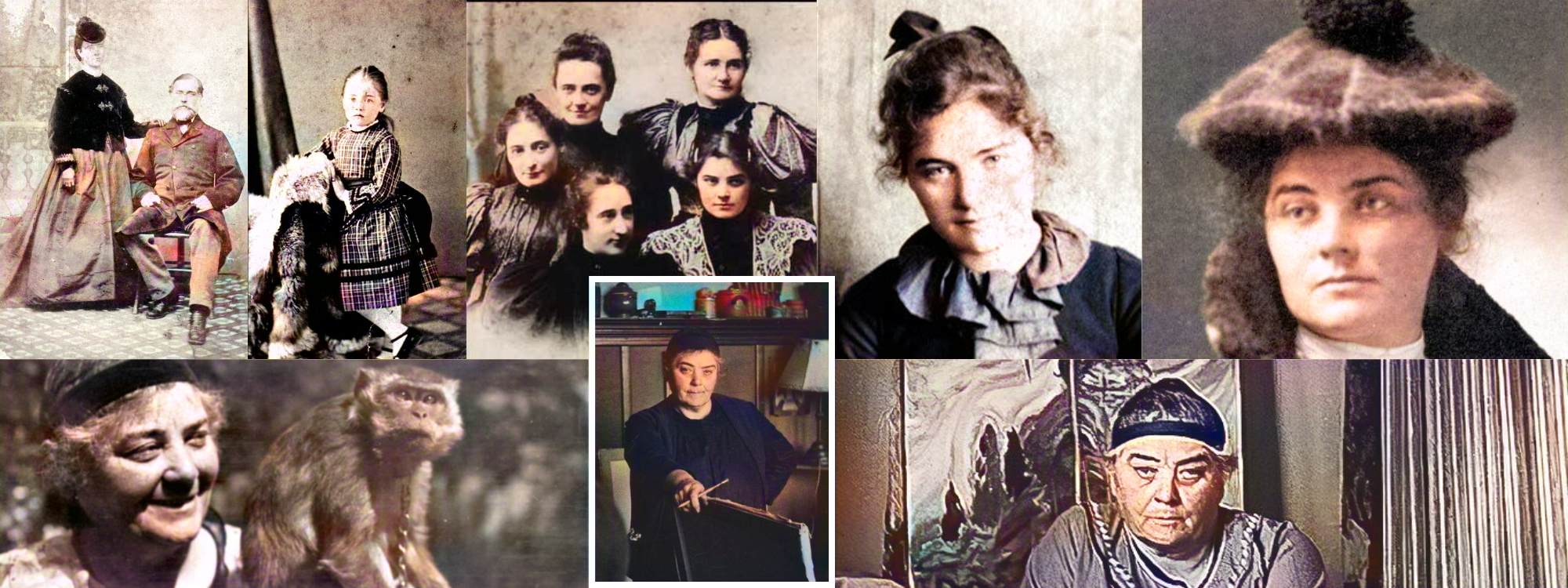
Art historian Stephanie Kirkwood Walker, in her insightful book This Woman in Particular: Concepts for the Biographical Image of Emily Carr (1996, Wilfred University Press), argues that the composite image of Carr that emerges—across biographies, plays, films, poems, and her own words—is a “cultural artefact.” It is necessarily fragmented, constantly evolving, and reflects the wider conversations Canadians have about gender, creativity, spirituality, and nationhood. Walker suggests that the way Emily is portrayed changes over time, depending…

read more