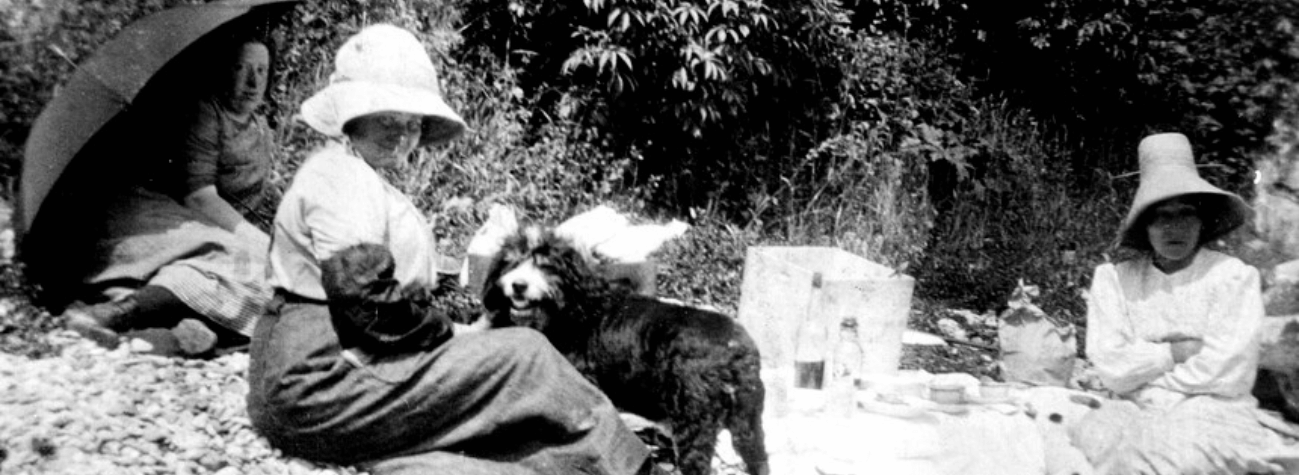
From 1916 to 1930 when Emily Carr struggled to make a living from her art, she turned to an unlikely but deeply creative form of work—rug hooking. Living in her boarding house in Victoria, the House of All Sorts, while running a boarding house, Emily designed and produced hooked rugs to support herself through difficult financial years. What began as “breadwork,” as she called it, became another outlet for her restless imagination. Her rugs…

read more

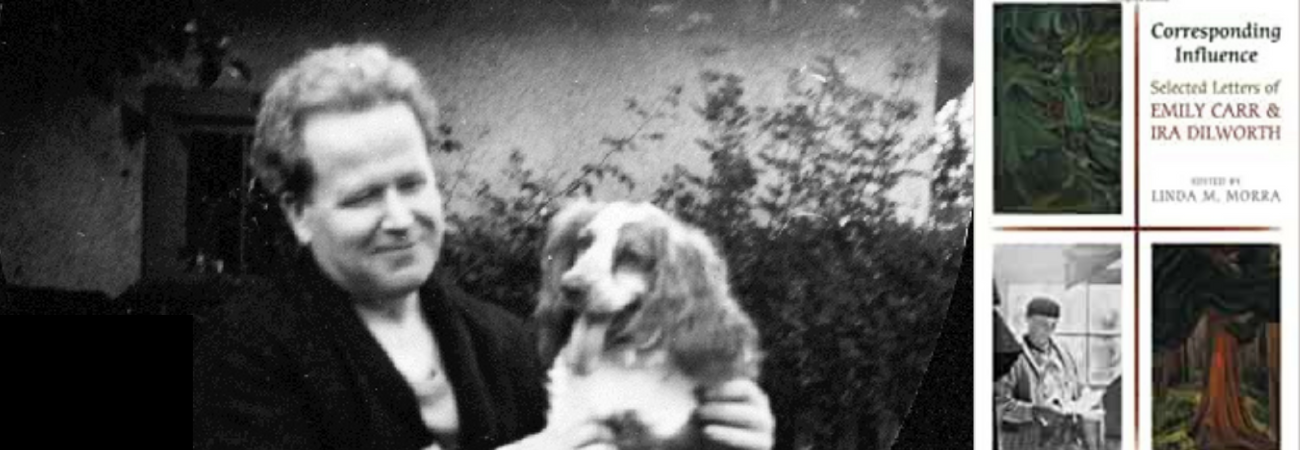
When Emily Carr met the young artist Edythe Hembroff in 1930, Carr was nearing the end of her painting years. Her health was fragile and money scarce, yet her artistic vision remained fierce and some of her best artwork was yet to come. In Edythe, she found a kindred spirit: intelligent, observant, and deeply sympathetic to her struggles. Their friendship, part mentorship and part creative partnership, became one of the most meaningful of…

read more

In many cities around the world, the homes of famous artists and writers are saved and cherished. The artist Frida Kahlo’s “Blue House” in Mexico City, for example, is now a museum open to the public. As is Claude Monet’s home and garden in Giverny, France. In Victoria, Canada, you can visit Carr House, the birthplace and childhood home of beloved artist, Emily Carr, who painted scenes of Indigenous villages and the wild forests…

read more