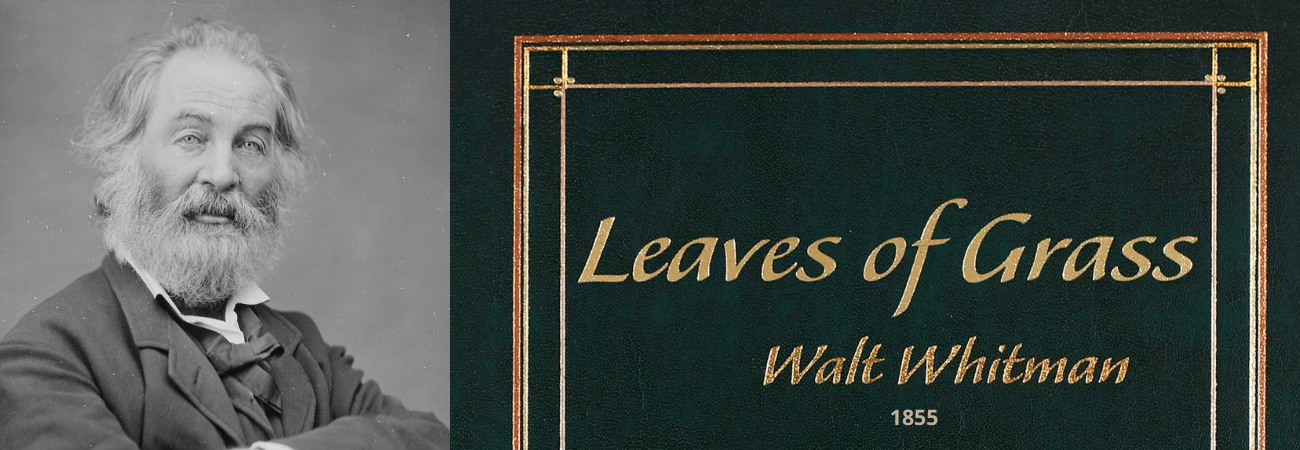
Emily Carr’s lifelong search for a language big enough to hold the forests and skies of the West Coast found an important companion in the poetry of Walt Whitman. Whitman’s expansive voice — bodily, earthy, mystical, and democratic — offered Carr a model for speaking of nature as alive and ensouled rather than merely picturesque. This post explores how Whitman’s writing intersected with Carr’s artistic and spiritual development: how it supported her independence, deepened…
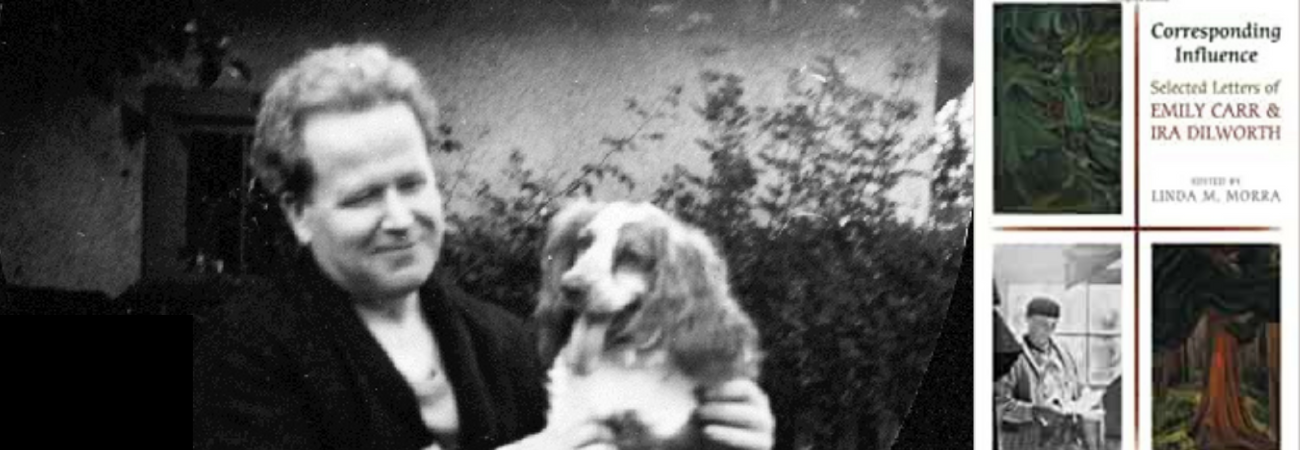
Emily Carr is often portrayed as the lone wanderer of the West Coast—sketchboard in hand, caravan behind her, dogs and her monkey Woo her side. But her later life, and especially her legacy as a writer, was shaped profoundly by one person: Ira Dilworth, the steady, insightful mentor who became her most important literary conduit. Read more: Emily Carr and Walt Whitman: Kindred Spirits in Nature and Spirit Dilworth was…
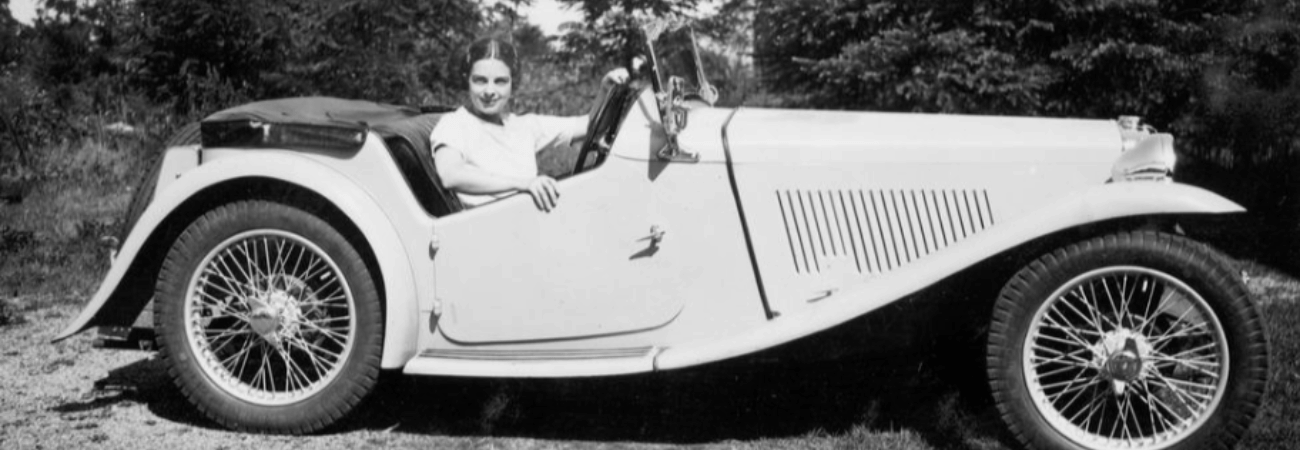
When Emily Carr met the young artist Edythe Hembroff in 1930, Carr was nearing the end of her painting years. Her health was fragile and money scarce, yet her artistic vision remained fierce and some of her best artwork was yet to come. In Edythe, she found a kindred spirit: intelligent, observant, and deeply sympathetic to her struggles. Their friendship, part mentorship and part creative partnership, became one of the most meaningful of Emily’s…