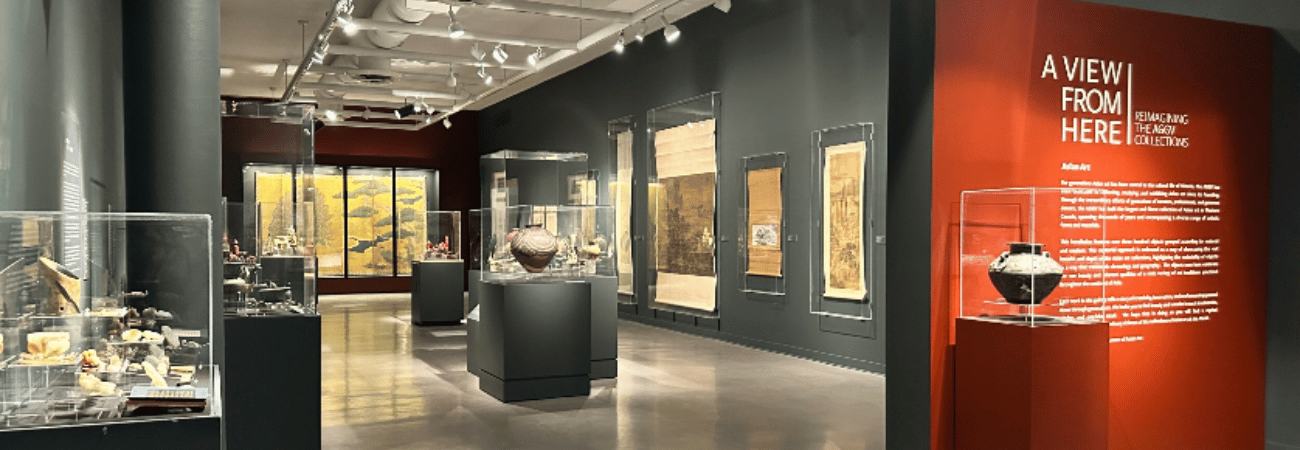
In the early decades of the 20th century, Victoria’s artists lived in a world of informal networks and makeshift exhibition spaces. Schools, churches, and private homes became galleries by necessity, and the Island Arts and Crafts Society, founded in 1909, provided one of the few organized platforms for artists to display their work. Yet even in this close-knit community, opportunities for serious public engagement were limited. For Emily Carr, the city she called home…

read more
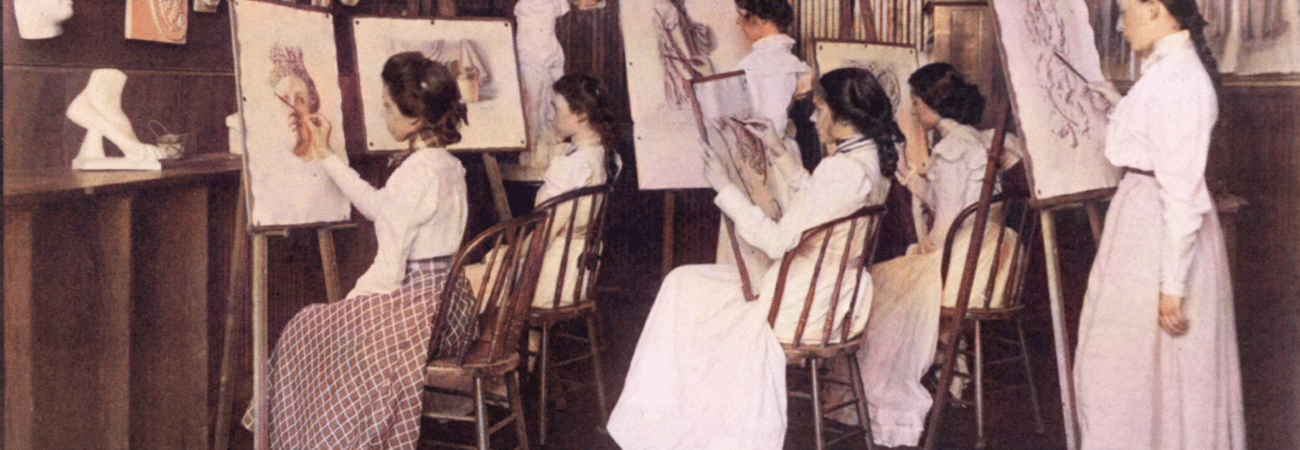
In her autobiographical writing, Emily Carr was careful to portray herself in the tradition of the romantic individual by highlighting historical facts about herself that conformed to the modernist image of the artist as a professional and a genius, and downplaying those that did not. Born during a snowstorm, “contrary from the start,” she emphasized her difference from the rest of her family and insinuated that her “fondness for drawing” was not only viewed…

read more

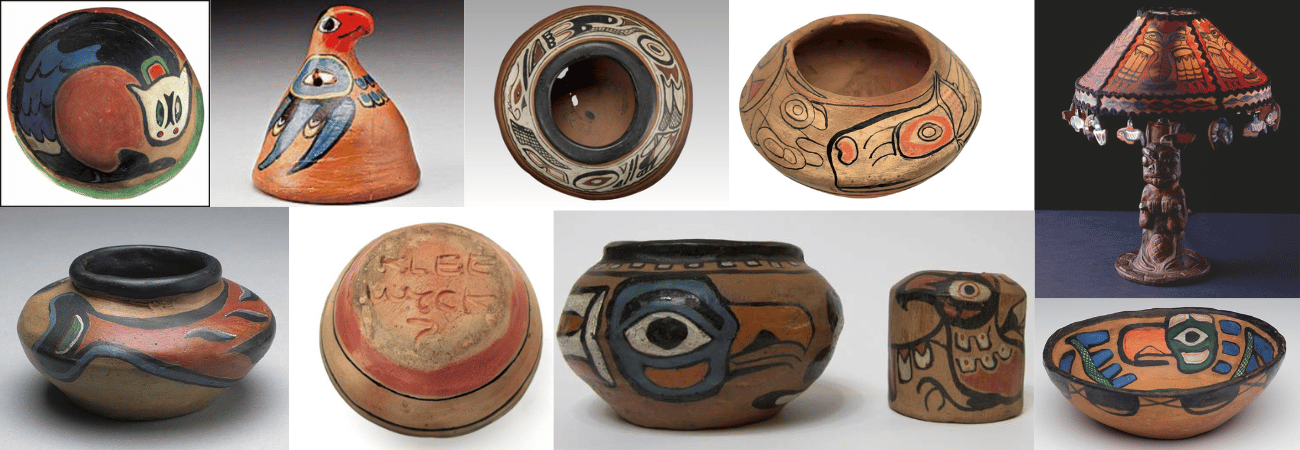
When one thinks of Emily Carr, images of towering British Columbia forests, brooding skies, and bold totem poles rendered in expressive brushwork come to mind. But nestled between her early frustrations as a painter and her later recognition as a major Canadian modernist lies a lesser-known, yet deeply telling chapter in her creative life: her pottery work from 1925 to 1932. This short-lived career in ceramics, born of financial desperation and simmering artistic tension,…

read more