Emily Carr: Fresh Seeing and the Birth of a Modern Vision
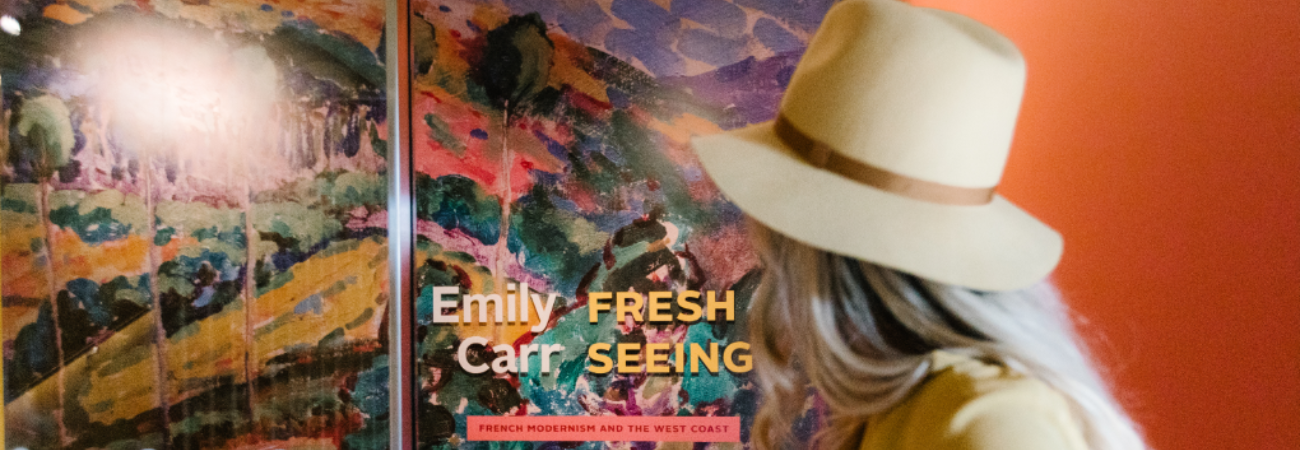
Emily Carr, aged 39, returned for her second trip to Europe in 1910 and spent 16 months working and living in France. By that time, Carr had been painting seriously for about 20 years. She had studied in San Francisco and in England, and she had started travelling to and painting Indigenous communities on Vancouver Island.
On her return to the West Coast in 1911, Carr brought home with her a renewed style of painting. Her work had been entirely transformed by her time spent studying French Modernism in the company of fellow painters and teachers Henry Phelan Gibb, John Fergusson and Frances Hodgkins.
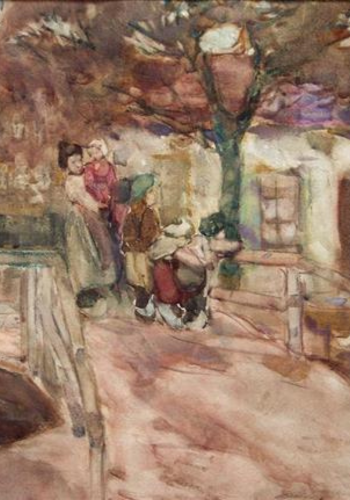
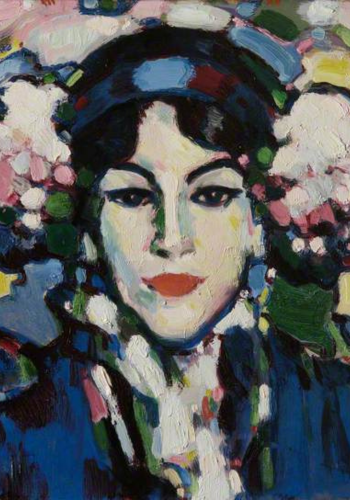
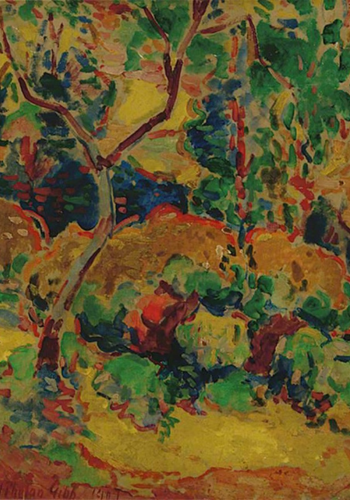
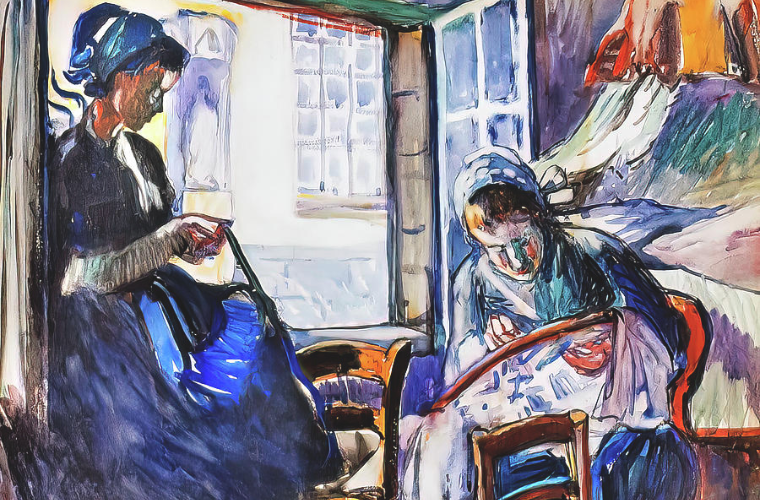
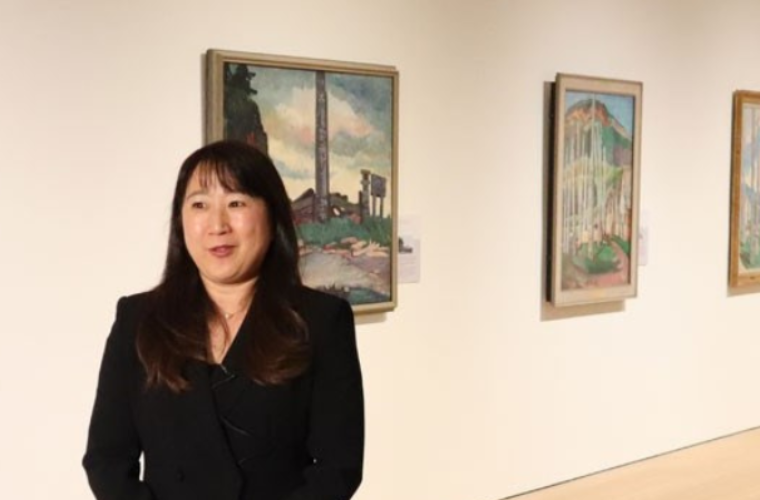
Co-curators Kiriko Watanabe and Kathryn Bridge gathered 67 pieces of Carr’s work from before, during and after her sojourn in France to realize the exhibition Fresh Seeing: French Modernism and the West Coast. Works include oil paintings, watercolours and drawings, illustrating the change in Carr’s palette and in her brushwork.
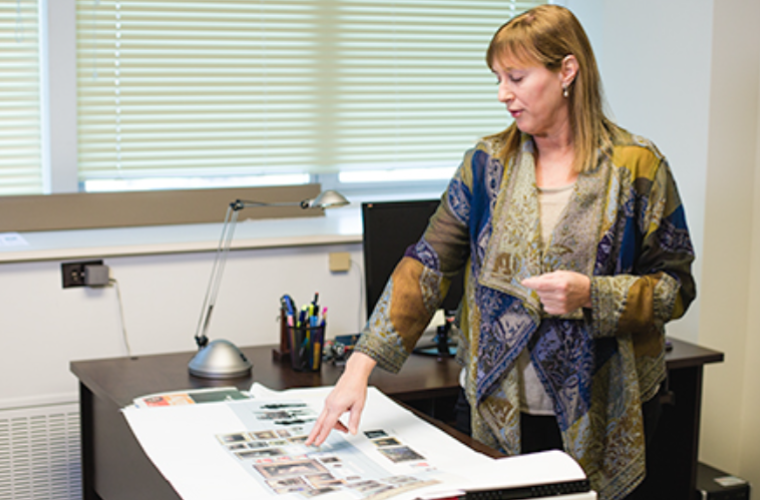
From October 24, 2020 to January 24, 2021, Emily Carr: Fresh Seeing — French Modernism and the West Coast was exhibited at the Royal BC Museum in Victoria. It included 67 works by Carr and some of her Paris contemporaries and was reportedly the largest ever exhibition of Carr’s Paris paintings.
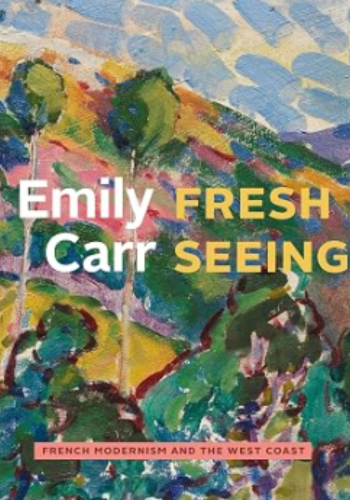
The accompanying publication includes the text of her 1930 speech “Fresh Seeing,” in which Carr sought to explain Modern art to her baffled public, is included alongside an essay by writer and critic Robin Laurence. Also featured are essays by co-curator Kathryn Bridge, who examines the artist’s travels and studies with post-Impressionist artists in Paris, Crécy-en-Brie, St. Efflam, and Concarneau.
In his essay collector Michael Polay, details the inclusion of two of Carr’s paintings in the famed Salon d’Automne in 1911 alongside pieces by Marcel Duchamp, Pierre Bonnard, and many other internationally renowned artists.
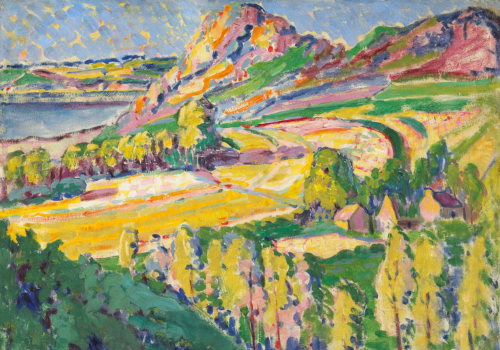
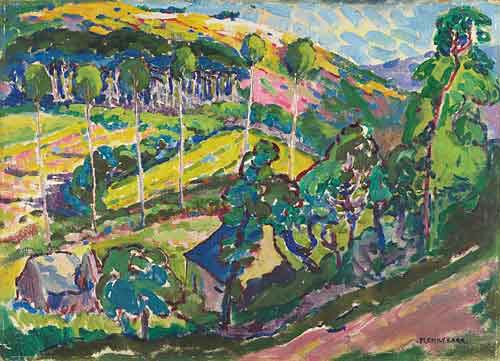
Audain Art Museum’s Gail and Stephen A. Jarislowsky Curator, Kiriko Watanabe, who recounts Carr’s return to the West Coast and the paintings that resulted from her ambitious sketching expeditions to the Upper Skeena River, Haida Gwaii, and Alert Bay in the summer of 1912.
Her artistic career evolved through distinct phases, from early traditional works to Fauvist-inspired paintings after her studies in Paris, as illustrated in this exhibition, followed by a Post-Impressionist period and a later style influenced by Cubism, Lawren Harris, and Mark Tobey. She worked in charcoal, watercolour, oil, and, from 1932, house paint on paper.
RBCM@Home: Emily Carr Archives [40 minutes]
Watch Royal BC Museum curator emerita Dr. Kathryn Bridge highlight some of Emily Carr’s archival material and what it reveals to us about her art, her time and her thinking.
https://youtu.be/QDkPgKKhoAY?si=a-bw2WH-9hDktnR4
Fresh Seeing Exhibition Review [9 minutes]
Emily Carr: Fresh Seeing at the Royal BC Museum