Order, Illness, Faith, and Kindness: Emily Carr on Her Four Sisters
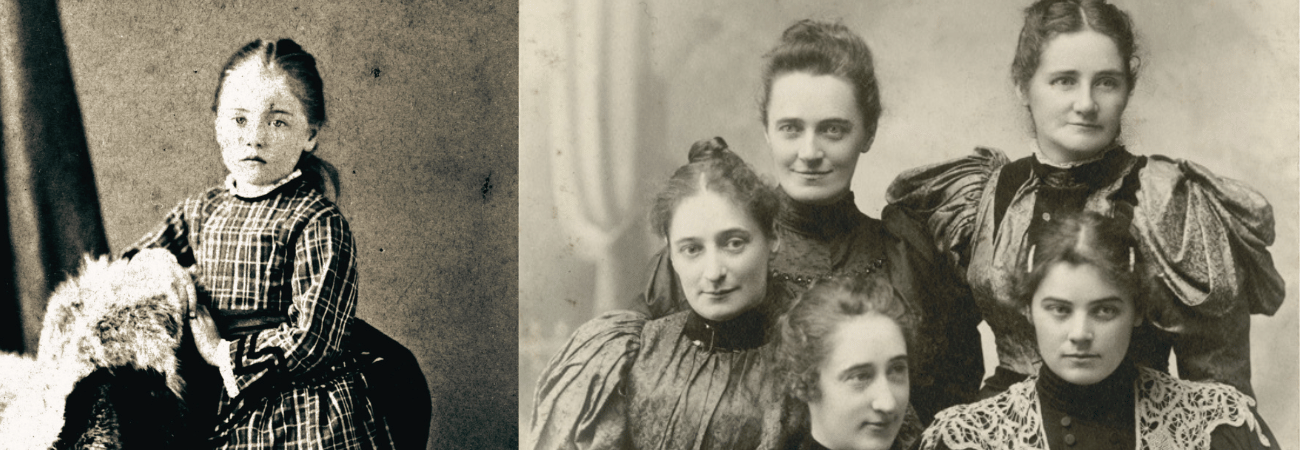
Emily Carr’s relationships with her four older sisters were central to her life and shaped both her personality and her art. They were bound tightly by loss, responsibility, and Victorian family expectations, but there was also deep strain. After the early deaths of both parents, the Carr daughters were left to manage the household together, at a time in history where women could not even hold a bank account. The family atmosphere became stricter and more inward-looking. Emily often felt like the rebel in a household of conventional, highly respectable Victorian women, and she wrote about this tension clearly in her autobiographical works.
Emily, always the rebel of the family, didn’t just reject marriage—she rejected Victorian expectations entirely. She was passionate about nature, Indigenous culture, and art, and she spent much of her life pursuing her creative vision, even when it meant financial hardship and social isolation.
Edith Carr | (b. California, 1856, d. Victoria, 1919, the eldest — authority, order, and duty)
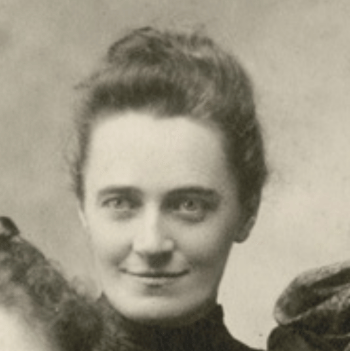
Edith stepped into a parental role after both their parents died, their mother Edith Saunders Carr in 1886 and their father in 1888. This role defined her relationship with Emily. Shel managed the household finances, decisions, and moral tone of the home. Edith was highly religious, a skilled china painter, taught Sunday school and believed deeply in respectability, frugality, and social propriety — the values of their father and Victorian Victoria.
For Emily, Edith (nicknamed “Dede” or “The Elder” and sometimes “The Kaiser””) represented the pressure of duty over individuality. Edith found Emily’s choices impractical and risky: art school abroad, unorthodox friendships, and emotional outbursts. Emily, in turn, often experienced Edith as cold, judgmental, and “managing.” Their relationship was full of conflict over money, independence, and Emily’s refusal to live like a “proper” unmarried daughter. Yet Edith also provided stability and structure without which the family may not have held together at all. There was mutual dependence beneath the tension — Edith relied on Emily’s labour; Emily relied on Edith’s competence — even though love was rarely expressed warmly. They reunited at the end of Edith’s life in December 1919.
Here’s what Emily wrote about her sister Edith:
“Edith had taken Father’s place and she ruled us by his rules. Order was her religion and duty her god, and we were expected to bow down to both.”
Emily often framed Edith as the domestic disciplinarian, carrying on their father’s strictness. Sometimes she refers to her as “The Kaiser.”
My big sister had a kind heart. Nothing pleased her more than to drive old, lame or tired people into the country. There was always some ailing person tucked up in her phaeton being aired. All about Victoria were lovely drives-Admiral Road, Burnside, Cadboro Bay, Cedar Hill. The country roads were very dusty and dry, so every few miles there was a roadhouse with a bar for men and a watering trough for horses- ladies went thirsty. No lady could possibly be seen going into a bar even if only for a glass of water.
The Book of Small
Clara Carr | (b. California, 1857, d. Victoria, 1919 – frail health — quiet pressure, compassion mixed with resentment)
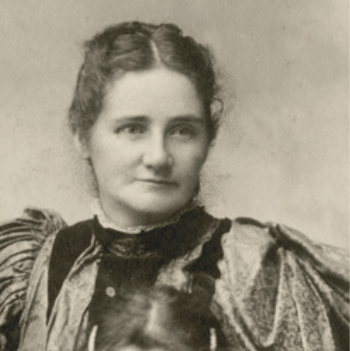
Clara’s persistent ill health shaped the emotional climate of the household. Much of the family routine revolved around protecting Clara from stress, exertion, or emotional disturbance. Emily both pitied and resented this. She had genuine affection and protectiveness toward Clara, but she also felt that illness became a justification for suppressing noise, spontaneity, visitors, laughter, and creative mess — all things Emily valued.
She was not particularly confrontational; rather, it was her condition that silently constrained everyone else. Emily later recognized how much of her own guilt and self-restraint came from these years of adjusting her needs to an “invalid household.” In her writings she sometimes describes Clara almost symbolically — as the embodiment of Victorian femininity: delicate, passive, dutiful. The relationship is one of muted tenderness overshadowed by the feeling that Clara’s fragility limited Emily’s freedom.
Clara, was the only sibling to marry—a striking fact for a Victorian-era family. She married Major John Nicholles of the Royal Engineers in 1882. John later deserted Clara and their six children after which she moved to Vancouver in 1915. She is the only one not buried in the family plot at Ross Bay Cemetery and is instead buried in Vancouver. Victorian society placed huge pressure on women to marry, especially in religious, middle-class families like the Carrs. Had their parents lived longer, they likely would have arranged or strongly encouraged marriages for all their daughters. But after their mother passed in 1886 and their father in 1888, Emily and her four other sisters were left to make their own choices—and they did not choose marriage.
Perhaps Clara’s failed marriage soured the idea of relationships for her sisters. Or maybe the fact that their mother was bedridden after the birth of her youngest child was a factor? Or maybe they valued their independence and bond as sisters too much to trade it for the constraints of married life. They lived within blocks of each other their entire lives. Maybe all of the above.
Could her independent streak have been influenced by her sisters’ choices? It’s possible. Without marriage as an expectation, Emily was freer to dedicate her life to art, despite the struggles she faced as a female artist in Canada at the time.
Here’s what Emily wrote about her sister Clara:
“Everything in the house tiptoed past Clara. Even our thoughts had to be quiet for fear of tiring her.”
This captures how Clara’s invalidism shaped the whole household atmosphere.
Another line that mixes tenderness and frustration:
“Poor Clara! She was so gentle that even our pity bruised her.”
Elizabeth “Lizzie” Carr (b. Victoria, 1867, d. Victoria, 1936 – religious intensity — moral conflict and judgment)
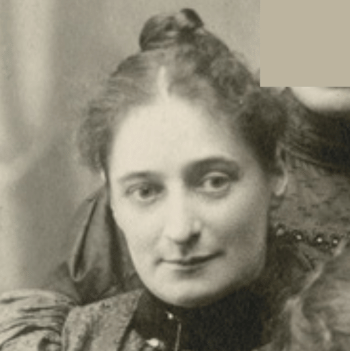
Lizzie’s strongest trait, in Emily’s eyes, was religious zeal. She embraced evangelical Christianity and believed fervently in moral regulation, modesty, and self-denial. Emily’s art, friendships, independence, and sometimes blunt manner shocked her. Their clashes were often ideological, not just personal. Lizzie worried about Emily’s soul; Emily chafed at what she saw as spiritual rigidity and emotional coldness.
As a child Lizzy dreamed of becoming a missionary and studied to memorize religious texts. As an adult Elizabeth became a masseuse, a physiotherapist. Lizzie considered Emily’s unconventional behavior sinful or at least improper; Emily considered Lizzie’s outlook stifling and joyless. Emily later wrote about Lizzie with more bitterness than about the other sisters, suggesting she felt judged, misunderstood, and spiritually suffocated. Yet Lizzie also cared for the family diligently, and from her own perspective she was trying to preserve moral order. The relationship crystallized Emily’s rebellion against both patriarchal religion and Victorian gender expectations. Elizabeth died on August 3, 1936
Here’s what Emily wrote about her sister Elizabeth:
“Lizzie’s God was always watching for someone to scold, and most often it was me.”
This sums up the religious/moral tension between them.
And a slightly wry one:
“Lizzie prayed for my soul so loudly that I could hardly hear my own prayers.”
Lizze, Alice and I were always dressed exactly alike. Father wanted my two big sisters to dress the same, but they rebelled, and Mother stood behind them. Father thought we looked like orphans if we were clothed differently.
The Book of Small
Alice Carr (v, Victoria, 1869, d. Victoria, 1953 – closest in warmth — emotional refuge amid constraint)
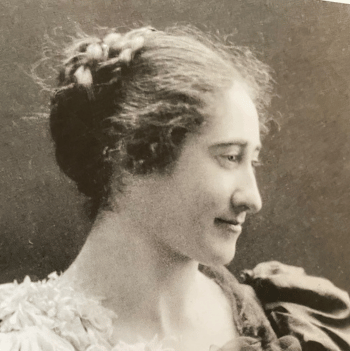
Alice is usually seen as the sister with whom Emily had the deepest emotional rapport. Alice was more relaxed, more humorous, and more tolerant of Emily’s eccentricities. She was often a buffer between Emily and the stricter sisters, providing comfort and companionship. Alice often acted as a mediator between Emily and the more controlling or religious sisters, especially Edith and Lizzie. When the household atmosphere became tense, Alice softened it—through small jokes, quiet sympathy,
Alice was born in Victoria, on October 18, 1869. As a child she loved to play with her dolls and did well in school. As an adult Alice became a school teacher and opened her own school house on a parcel of the family property. Alice was also Emily’s favourite sister. She wasn’t confrontational, but she was steady. Emily trusted her to interpret her motives kindly, which was rare in the family dynamic. Alice died on October 25, 1953, the same year she had built the Emily Carr Memorial Footbridge in Beacon Hill Park.
Alice did not fully share Emily’s artistic vision, but she accepted that Emily’s life could not follow conventional lines. They travelled together to London in 1901 to Alaska in 1907.
Their bond was marked by letters, shared confidences, and domestic cooperation. Emily had a studio in Alice’s house from 1918 to 1922 and again from 1940 to 1945 where she painted, wrote and lived the last five years of her life. When Emily later wrote about her family in her autobiography Growing Pains, Alice appears as a figure of kindness and human understanding in a house of rules and criticism. Alice represented what Emily longed for in family life: affection without judgment.
My sister Alice was two years older than I and knew a lot. Lizzie was two years older than Alice and thought she knew it all. My big sister did know everything. Mother knew all about God. Father knew all about the earth. I knew more than our baby, but I was always wondering and wondering.
The Book of Small
In summary
Edith = authority and responsibility; conflict over control and duty
Clara = illness and constraint; compassion and resentment intertwined
Lizzie = religion and moral judgment; the sharpest emotional clash
Alice = acceptance and warmth; Emily’s emotional ally
Together, these relationships shaped Emily’s sense of rebellion, independence, guilt, and resilience — the emotional undercurrents visible in both her paintings and her autobiographical writing.
Read Emily’s story about three of her sisters from Heart of a Peacock: https://emilycarrchronicles.ca/three-sisters